Binsey Red Squirrel Group
Learning Hub
Clear, trustworthy resources on red squirrels and squirrel pox for classrooms, families, and anyone who wants to help our reds thrive.
Everything you need to understand and protect our red squirrels.
This hub gathers plain-language guides, teaching material, and quick facts in one place. Whether you are a teacher planning a lesson, a parent answering questions, or a neighbour who has spotted a squirrel in the garden, start here.
Understanding the threat
About Squirrel Pox
Squirrel pox is a virus carried by grey squirrels that is almost always fatal to reds. Greys show no symptoms, so they can spread it without warning wherever the two species come into contact.
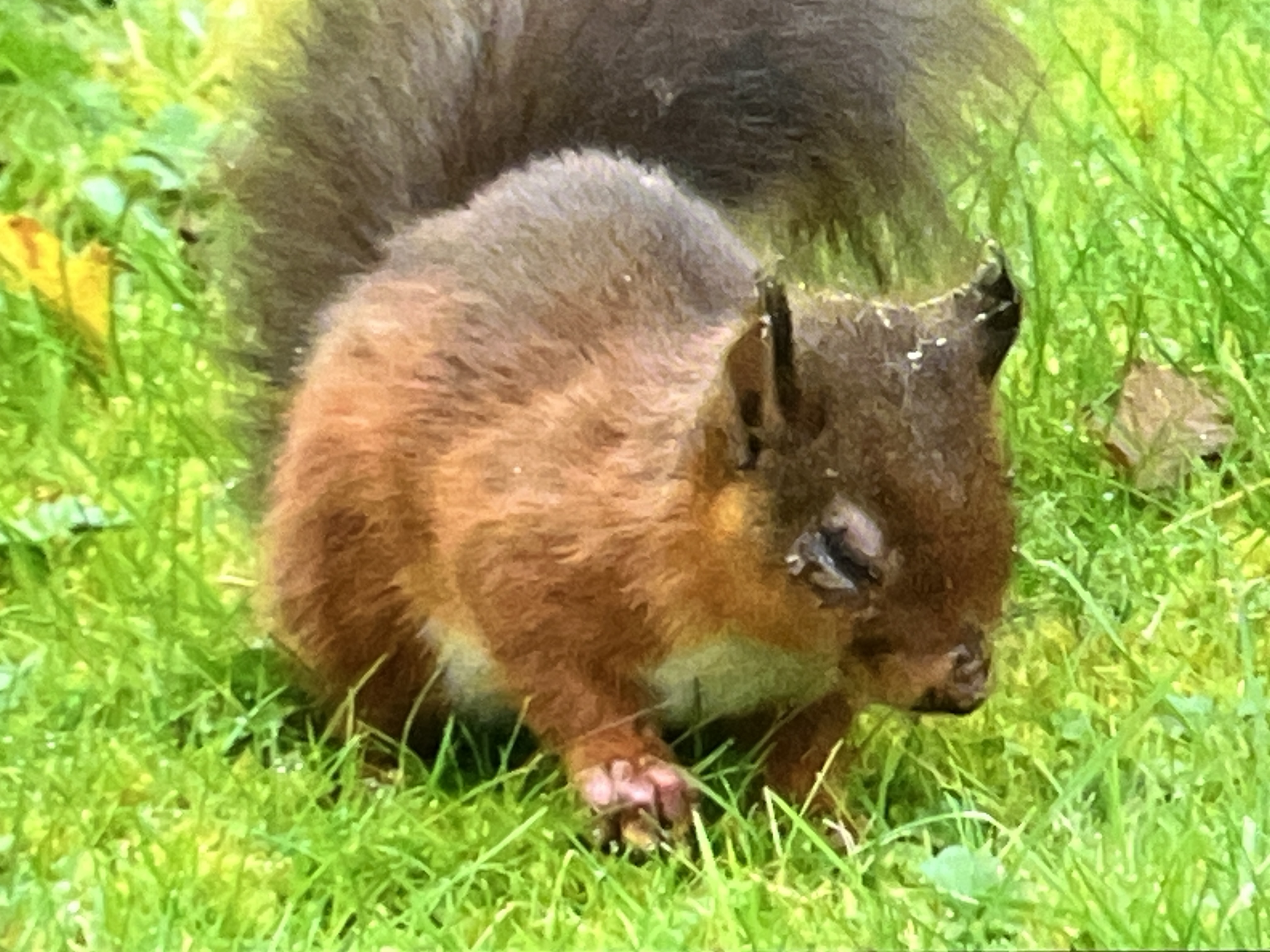
Infected reds develop weeping lesions and scabs around the eyes, mouth, and paws, look very lethargic, move slowly and usually die within two weeks. Because there is no cure, prevention matters most: knowing the signs, keeping feeders clean and disinfected (we recommend using Vircon disinfectant) reporting sightings of reds and greys is crucial to help slow the spread of SPV and give reds a fighting chance.
For classrooms
School Education
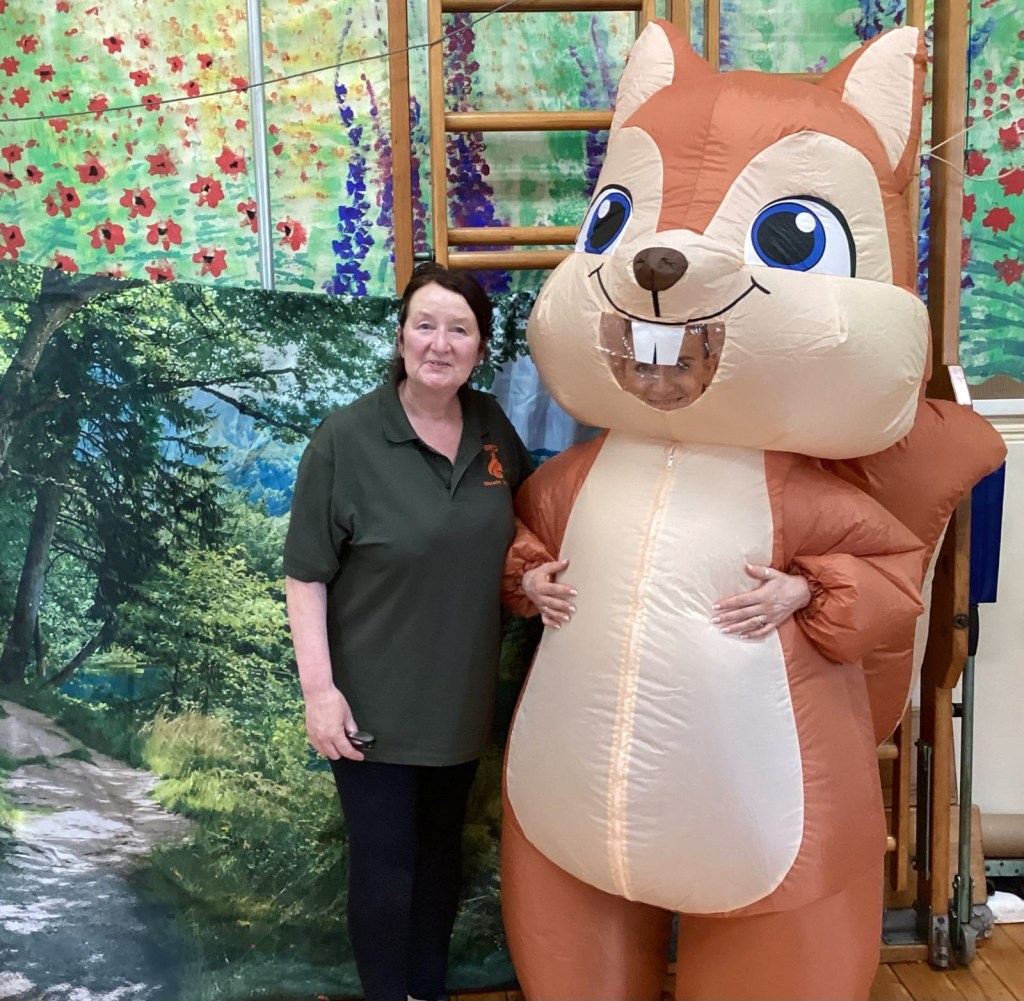
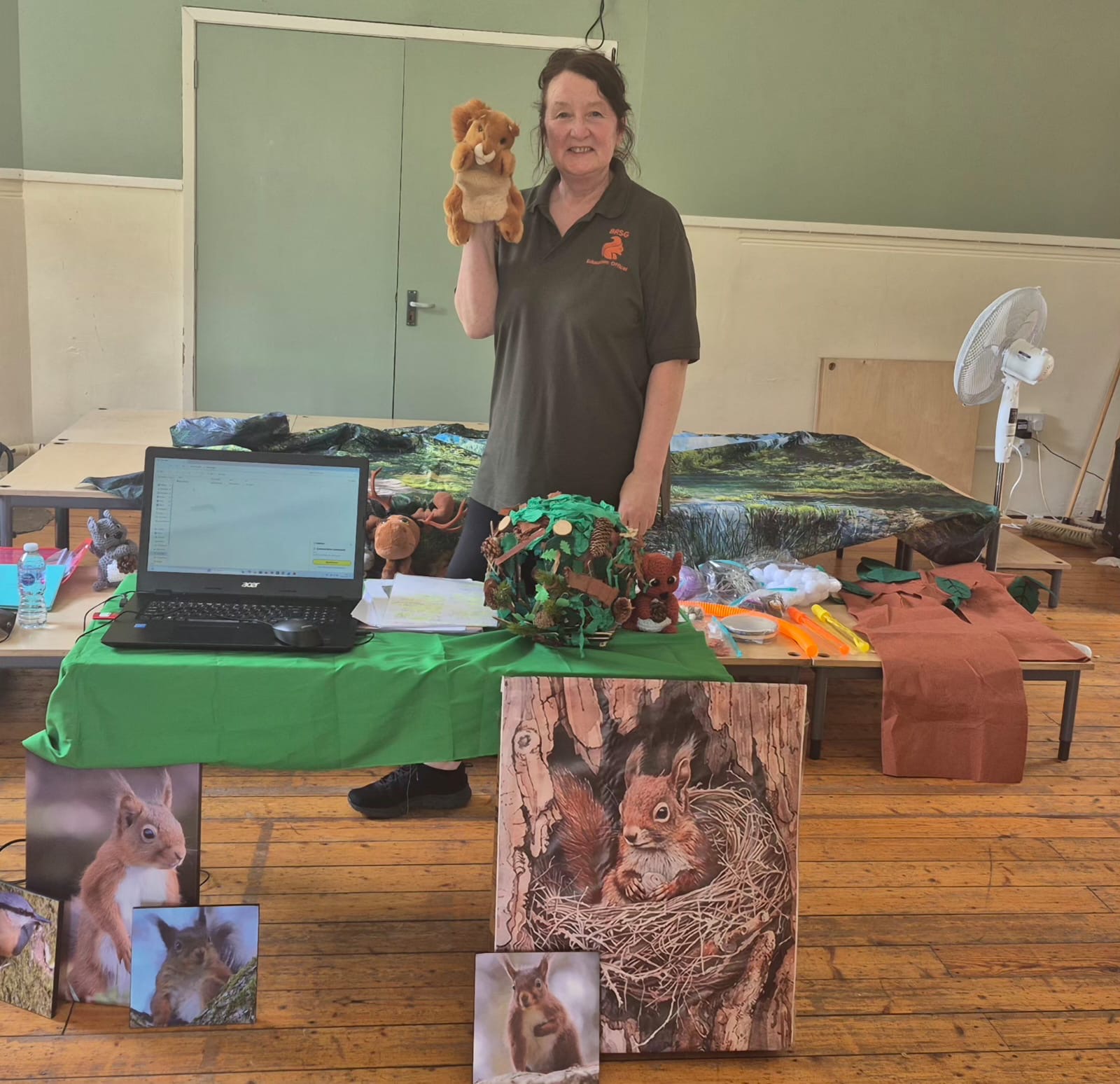
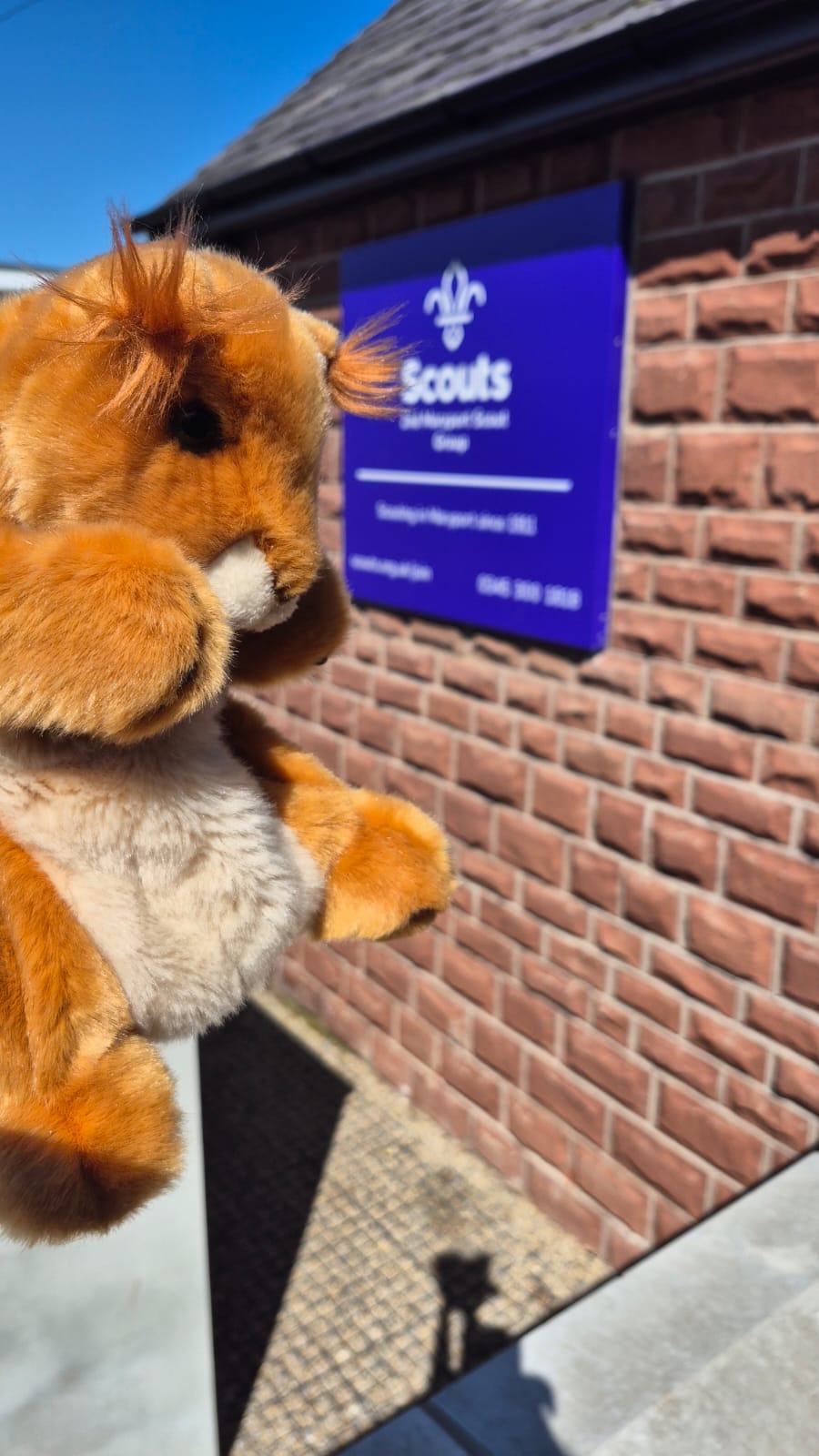
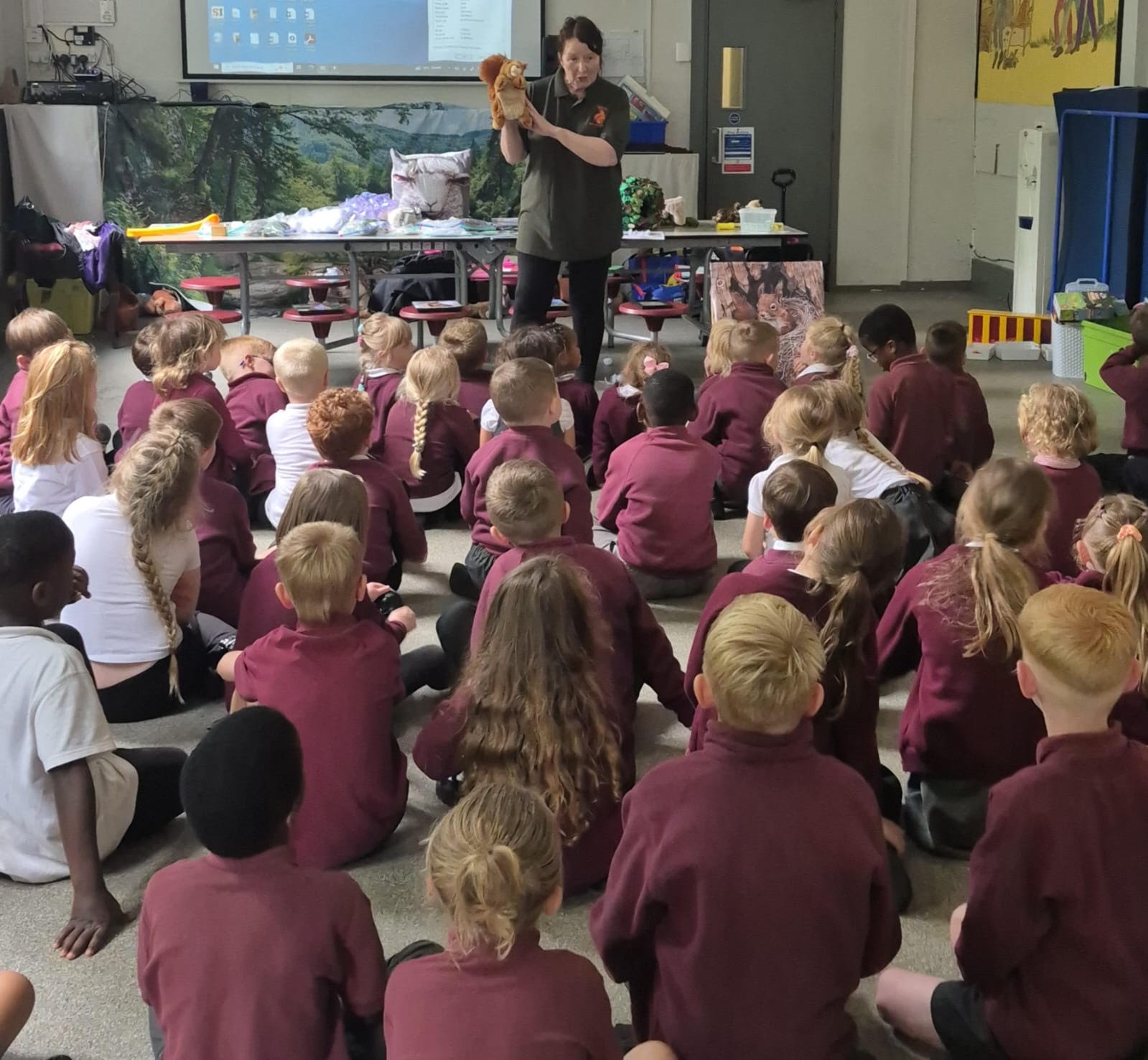
Jackie our education officer regularly visits primary schools, scouts etc. Through our education programme Jackie presents an age appropriate, fun story of the red squirrel into the classroom. Sessions are hands-on. Puppets and props are used which are curriculum friendly and inclusive of additional needs. These sessions are built to spark curiosity about the wildlife on children’s doorsteps.
- Assemblies and classroom talks for all key stages
- Fact sheets, and activity packs
- Ideas for pupil-led conservation projects
Bring us to your school
Sessions are free for local schools and tailored to your group’s age and interests.
Quick reference
Key Facts
Bite-sized information to share, teach, or remember.
Reds vs greys
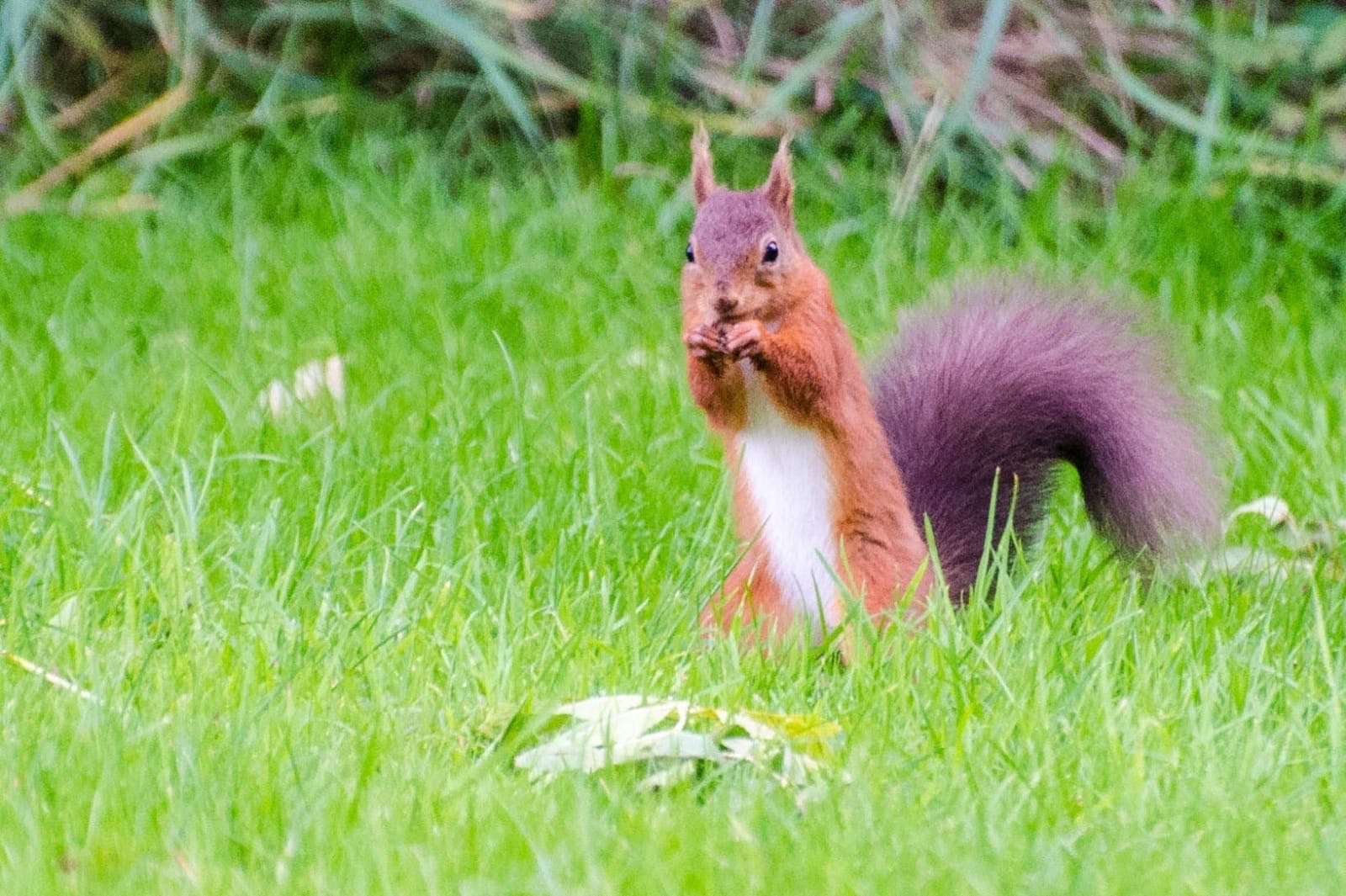
Red squirrels are native, smaller in size with ear tufts and a russet coat. Greys are larger, their tails have a destinctive white halo and carry squirrel pox without becoming ill themselves.
Spot the signs
Watch for scabs and swelling around a squirrel’s eyes, nose, or paws. A poorly red may look lethargic or reluctant to move.
Keep feeders clean
Shared garden feeders can pass the virus between squirrels. Clean and disinfect them regularly to keep visiting reds safe.
Report a sighting
Every sighting — red, grey, or a squirrel that looks unwell helps us track the virus and respond quickly in your area.
Every red counts
Whether you teach a class, keep a garden feeder, or simply love our woodlands, you can help protect Binsey’s red squirrels.
 Binsey Red Squirrel Group